Guide
How to Find a Public Piano Near You
Use place search, your current location, maps, and community reports to find a public piano worth visiting.
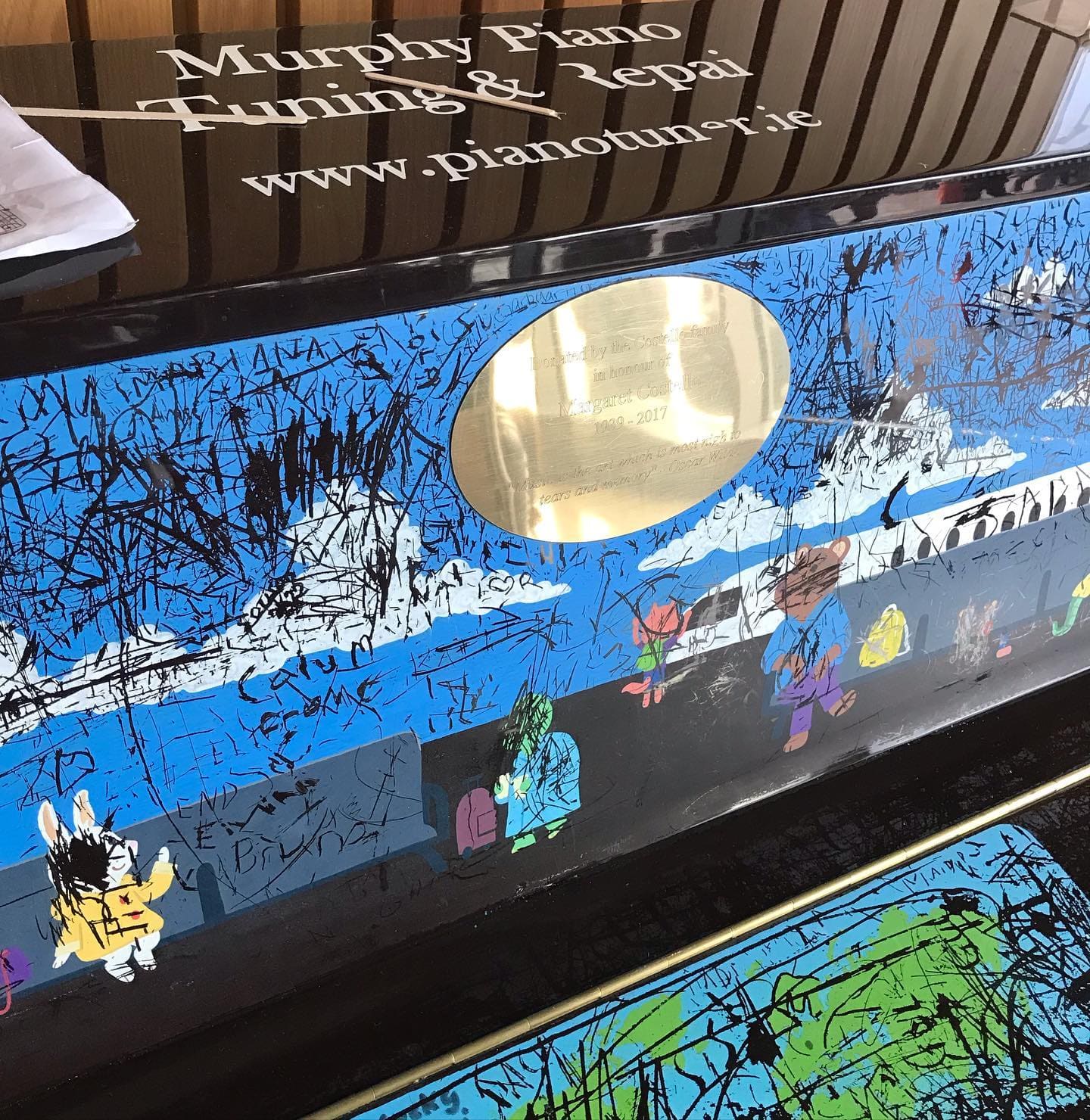
Finding a public piano is part search and part fieldwork. The map can get you close, but the final few steps may still involve looking beneath a staircase, listening across a station hall, or asking someone at a front desk.
Here is how to get from “I wonder if there is a piano nearby” to the instrument itself.
Start with a place
On the Find page, enter a city, station, address, or landmark. A specific place usually gives the most useful result: “Dublin Airport” is better than “Ireland,” and a neighborhood is better than an entire city when you already know where you will be.
Search results show pianos within 50 miles of the matched location. The map gives you the geography; the cards below it give you names, photographs, distance, and the latest availability state.
If you are already out exploring, choose Find pianos near me instead. Your browser will ask permission to share your approximate location. That location is used to run the nearby search; if you prefer not to share it, typing a place works just as well.
Browse when you do not have an exact destination
There are several good ways to explore beyond search:
- Countries organizes the catalog geographically.
- World shows the full global map and clusters dense areas until you zoom in.
- Recent highlights newly added pianos.
- Random is useful when you want surprise rather than efficiency.
Country and location pages are especially helpful while planning a trip. They show the places represented in the catalog and the piano listings connected to each one.
Read the listing before you go
Open a piano card to see its full listing. Pay attention to four things:
- The map pin. This is the most precise location we have, but the instrument may be inside the building or on a particular level.
- The sighting notes. These often contain the clue the map cannot show: near which entrance, beside which shop, or during which event.
- The photograph. A painted upright is much easier to recognize when you know what colors to look for.
- The availability badge. This reflects recent reports, not a guarantee.
An Available badge means a recent visitor reported that the piano was there. Not available means someone recently could not find or use it. Availability unknown means the last positive information is older than 90 days.
Public pianos are unusually changeable, so check the dates attached to sightings and reports. Venue opening hours, ticketed areas, temporary events, and weather can all affect access even when the piano itself has not moved.
Leave the map better than you found it
When you arrive, enjoy the instrument and then take a few seconds to help the next visitor. Use Yes if it is still available to play or No if it has gone, is inaccessible, or can no longer be used. Add a comment when a detail would help—perhaps the piano moved to another floor, is only available before 6 p.m., or has several broken keys.
That small report is what turns an old map point into current local knowledge.